
Calumet County Seven-Day Arrest Log
The Calumet County Booking Report lists everyone booked into the jail. It covers bookings from the past seven days. The Corrections Division posts it as a PDF. That window makes it the county's real multi-day arrest log. It reaches farther than a same-day check. It also differs from the Current Inmate List. That list, by contrast, tracks who is locked up right now. A row survives after release. That happens because the report records the booking event rather than present custody. The reverse also occurs. A person held past day seven drops off the log while staying on the current roster. Nothing is conflicting here, because each report answers a different question about Calumet County arrests.
Window rule: Trust the generated timestamp. "Past seven days" is a moving window, not an archive, and it says nothing about who is in custody now.
Read the Calumet Booking Blotter
Start at the official Corrections Division page and note the timestamp when you open the PDF. Rely on the booking date and release-date fields. Skip the city label. That column is not an arrest location, so sorting by it will not yield arrests in that city.
- Record the generated date and time shown on the PDF.
- Search the full name and compare the inmate ID.
- Read the booking date as jail intake, not necessarily the arrest time.
- Check the release-date field before describing current status.
- Use the Current Inmate List for a separate present-custody check.
- Confirm charges or disposition through the agency record and Wisconsin courts.
For a tighter, rolling-day workflow, the Daily Arrest Report page compares these official sources. Calumet County publishes no separate 24-hour feed.
Calumet Arrest-Log Fields
The seven-day report stays deliberately narrow. It gives summary identifiers and dates, with no detail page behind a row. Resist grafting on extra fields.
| Published field | How to read it |
|---|---|
| Inmate ID | County identifier for distinguishing names and requesting records. |
| Full name | Published identity label; verify spelling and namesakes. |
| Sex and race | Demographic fields, not legal findings. |
| Booking date | Jail intake date, not guaranteed arrest time. |
| Release date | Shows a release value when populated; it does not state the legal reason. |
| City and state | A displayed locality label, not a reliable arrest location. |
No charges appear in the PDF. The same goes for bond, agency, arrest location, case number, court date, housing unit, and photographs. A blank column is not proof the fact is missing, since those details live in other official records.
Weekend Calumet Arrest Reports
No fixed schedule governs weekend, overnight, or holiday generation. The report page mentions support during normal business hours. That phrase is not a promise that weekend bookings wait for Monday. It may describe support for the reporting function rather than intake work. Lean on timestamps for weekend review. Check the seven-day log, compare the current roster, and call the jail when a question is urgent. Resist the "weekend surge" label. A cluster needs a dated count and a clear method before anyone calls it a surge. Later reports can add rows an earlier copy lacked. Intake timing, corrections, processing, and caching explain that drift.
Note: Calumet County publishes no dependable holiday cadence, so a stale timestamp should trigger verification rather than claims about when arrests occurred.
Calumet Arrest News Is Event-Driven
Local news cannot replace the official log. The Brillion News, NBC 26, WTAQ/WLUK, WHBY, WBAY, and KFIZ each choose selected events, court updates, and press-release items. Some stories run a jail-courtesy photo. One photo does not create a county booking gallery. Nor does it prove every booking earns coverage. The Brillion News example shown here reflects press-release style rather than a continuous feed of jail bookings.
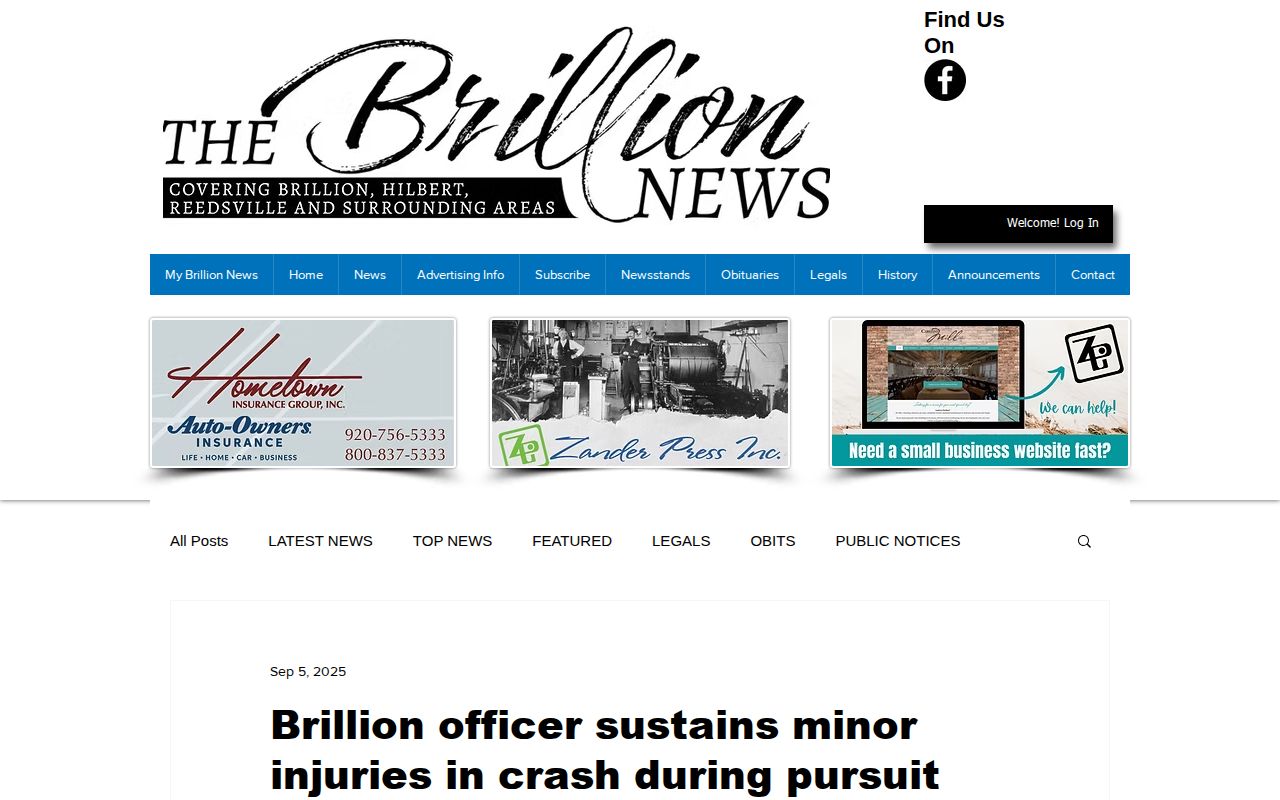
Use news as a lead. Check the agency and booking facility. Verify custody status and the court record through official sources before repeating any claim. The NBC 26 arrest and court report on the Brillion murder case shows why a story never closes the file.
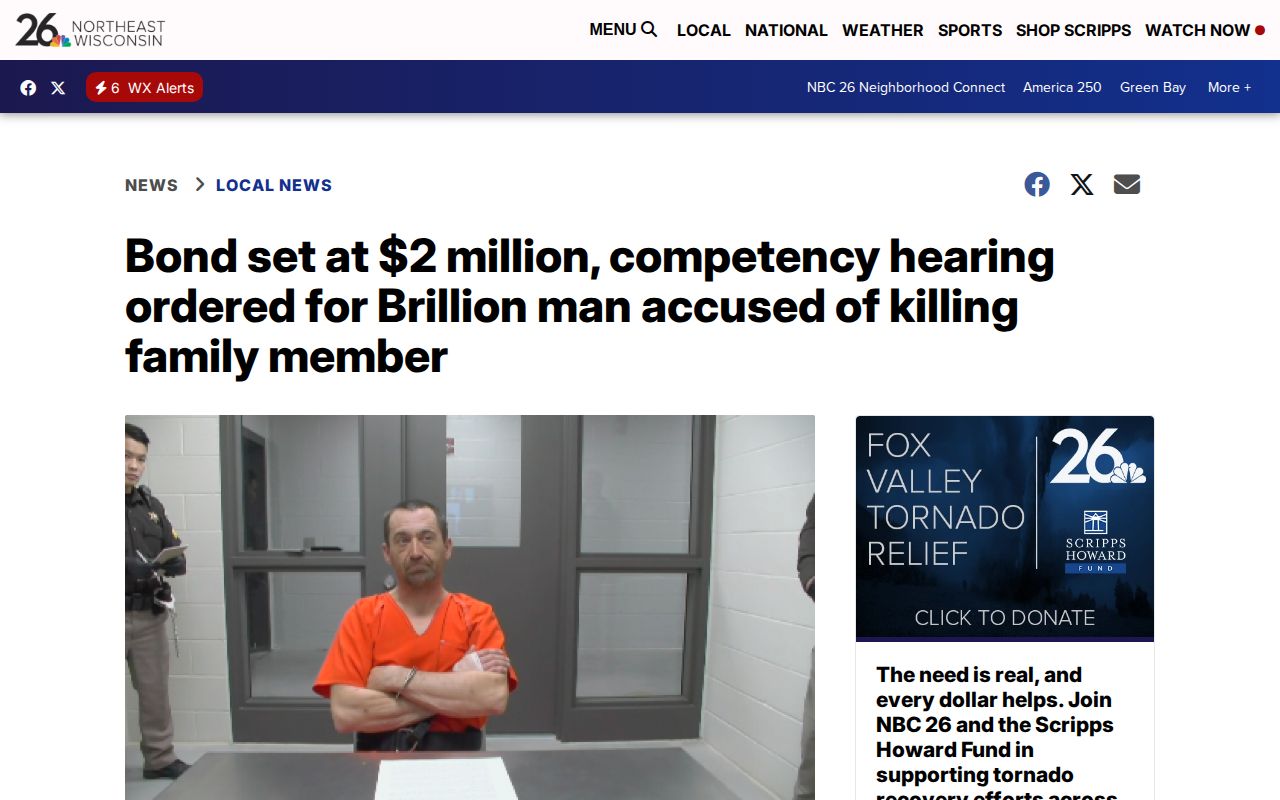
Headlines often outlive later rulings, so WCCA and the Clerk of Court remain the sources for a public disposition.
After Calumet Entries Roll Off
Rolling off the log erases nothing. Calumet County adopted the Wisconsin Public Records Board County General Records Schedule. Booking records and mug shots count as permanent. So do incident reports, while arrest records run event plus eight years. Those periods do not guarantee web access. Nor do they promise release of every item. Request older Sheriff records from the Law Enforcement Records Division. Give the name, inmate ID, booking date, agency, location, and case number if you know them. Phone, fax, email, mail, and in-person requests all work. The custodian may redact or withhold protected parts and applies Wisconsin's balancing test.
Historical researchers can also try the Wisconsin Historical Society when local records have been transferred. Archive access may take time. The Society warns it remains subject to confidentiality. A retention schedule is a route map, not proof that a recent booking already sits in a state archive.
Records Beyond the Arrest Log
The arrest log leaves real questions open. It says nothing about bond amounts. Filed charges and case outcomes are missing too. For those answers, turn to the records behind the booking. The arresting agency holds its own incident and arrest record. Public court cases appear through the Wisconsin Circuit Court Access entry point. There you can compare the county, filing date, case number, hearings, orders, and disposition.
That statewide case-search screen runs separately from Calumet County's booking report.
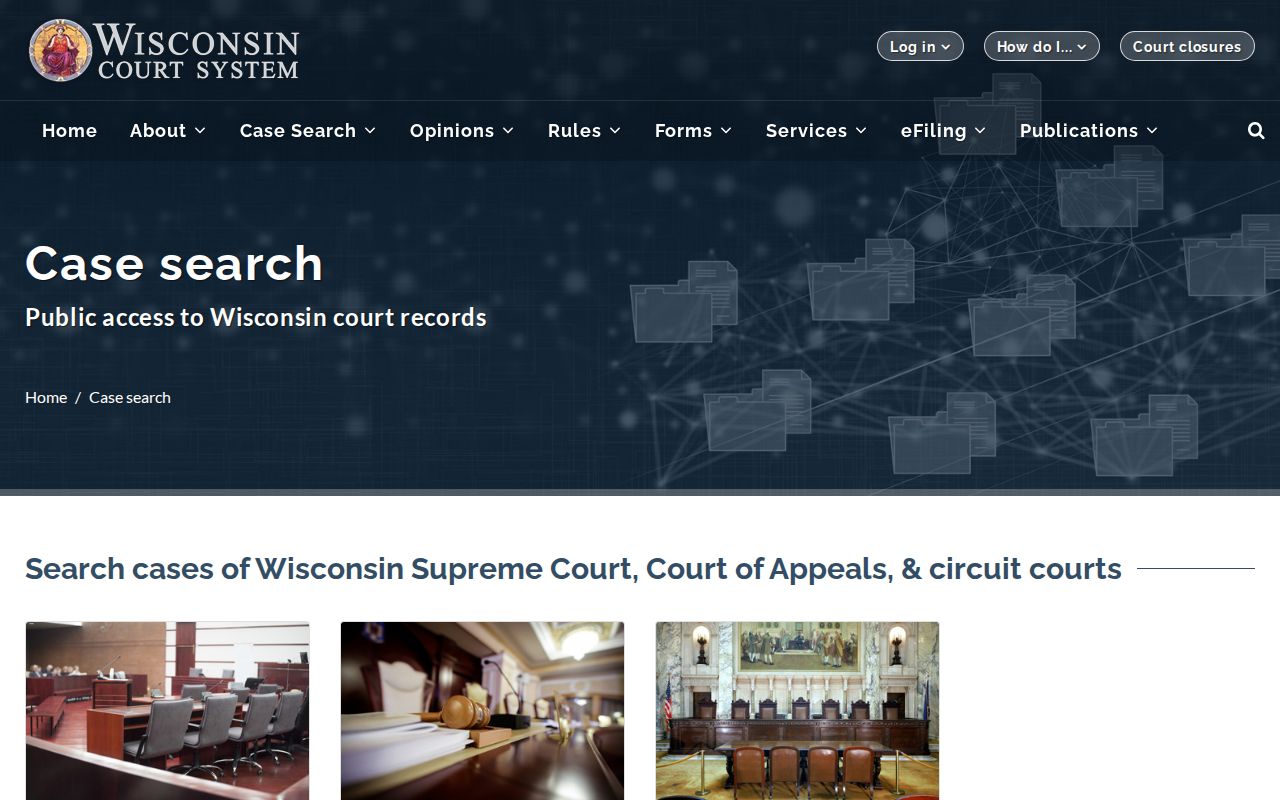
WCCA is no custody roster. It offers no booking photos and no complete warrant list. Juvenile, sealed, confidential, and restricted cases stay off the screen, and an arrest can end without any filed charge.
City Labels Are Not Arrest Sites
City labels in the Booking Report mislead readers. A listed town may sit outside Calumet County entirely. Treat the field as a residence hint, not the arrest site. The arresting agency and jail can be somewhere else. This matters most around Appleton and Menasha, since both cities cross county lines. An Appleton event may belong to Outagamie County, and a Menasha event to Winnebago County. Chilton, the county seat, offers the clearest Calumet route. Even so, a Chilton incident does not guarantee a county-jail booking, so confirm the agency and facility before trusting a missing row.
Calumet Charges Remain Accusations
A booking entry shows only what the official report states. Nothing more. The path from arrest to resolution runs through a complaint, initial appearance, hearings, and possible amendment or dismissal. Each stage can reshape the public record.
For firm answers, request a dated disposition from the court before repeating arrest details from the log.
The Calumet Circuit Court belongs to the Fourth Judicial District. Its courthouse sits at 206 Court Street in Chilton. The state court listing shows the Clerk of Court number as (920) 849-1414. Route court-record questions there. Send custody questions to the jail.
Public Record Search
Sponsored Results